Seborrheic Keratosis: Reasons And Therapy
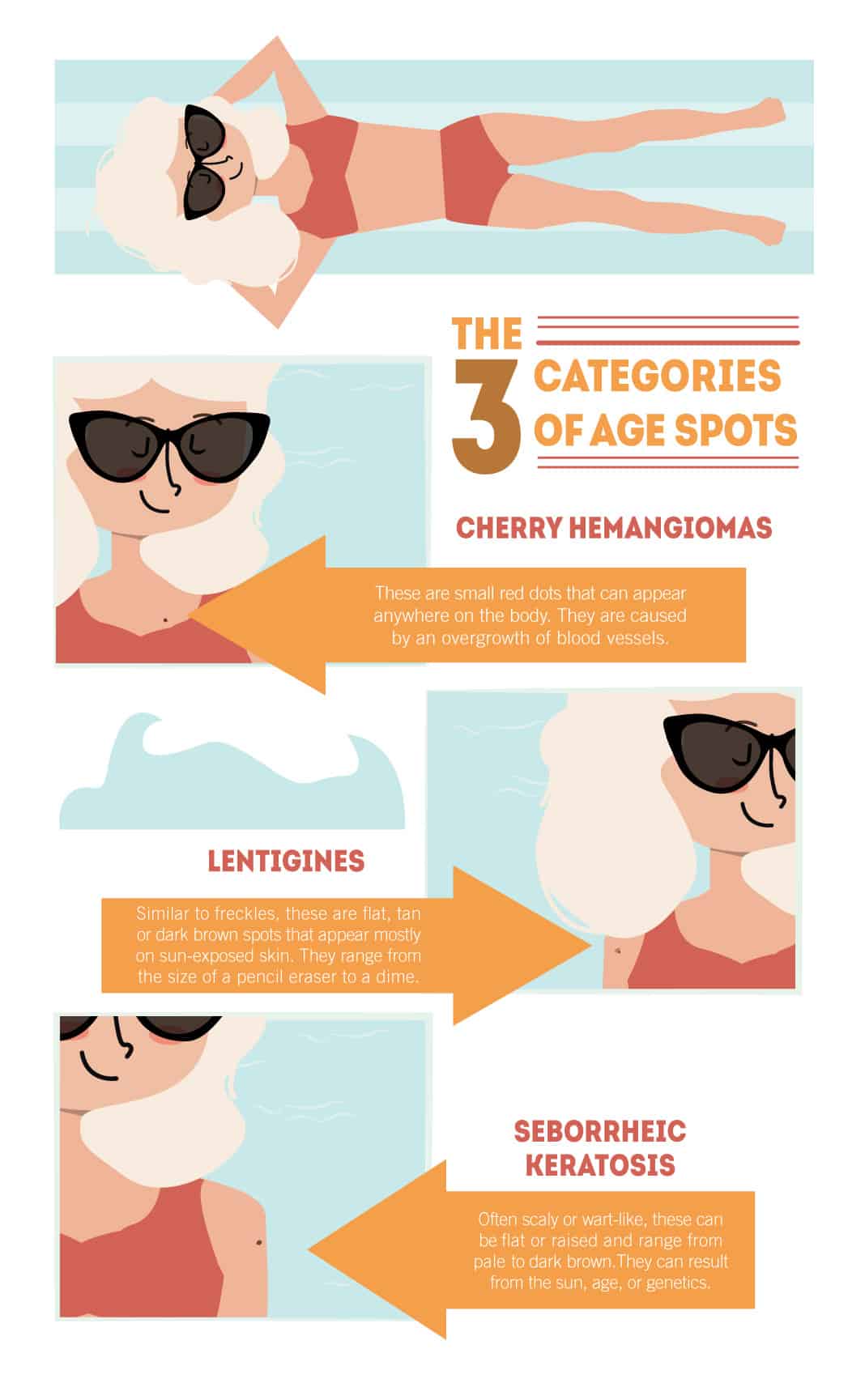
Seborrheic Keratoses: Foothill Dermatology Clinical Facility: Dermatology They may differ in size from a couple of millimeters to a number of centimeters and often have a slightly elevated, rough surface. Seborrheic keratoses can take place as singular developments or in collections. The sores are triggered by the advancing effects of long-lasting exposure to ultra violet (UV) light. The condition often impacts individuals that invest expanded durations outdoors. While it is also common in the elderly, some ethnic teams might likewise be much more at risk to establishing seborrheic keratosis at a young age. Seborrheic keratoses are noncancerous skin growths with a low possibility of becoming skin cancer. And while they're commonly painless, some people experience a bit of itching. You could develop one seborrheic keratosis or hundreds. Several of them begin as flat sun spots and become enlarged, with a rough surface area. They have a tendency to run in families yet are not, purely talking, genetically acquired.
Look Of Seborrheic Keratosis
Some women get them during pregnancy or after taking estrogen. Seborrheic keratoses (state "seh-buh-REE-ick kair-uh-TOH-seez") are skin developments that some people obtain as they age. They are benign, which indicates they aren't a type of cancer. The method they look may trouble you, yet they aren't dangerous.Call Dermatitis
Just how to stop seborrheic keratosis from forming?
There is no recognized way to prevent seborrheic keratoses, as they often tend to enhance with age and might be genetic. Routine skin checks can help check any type of brand-new developments.

Those In Jeopardy
Although seborrheic keratoses are normally benign, they can sometimes be misinterpreted for even more significant conditions like malignant growths such as cancer malignancy. It is necessary to have any dubious lesions assessed by one Mole removal treatment our St. Louis dermatology group to eliminate malignancy. Seborrheic keratosis is a common non-cancerous skin growth usually older people. It is likewise called seborrheic verruca, senile wart, or basal cell papilloma, although it is not connected to moles or basic cell carcinoma. Seborrheic keratoses normally develop on the face, chest, shoulders, or back, but they can take place on various other components of the body too. These developments are generally brownish, black, or tan and have a waxy or flaky appearance. While SKs can resemble these lesions, there are differences that help dermatologists identify seborrheic keratoses from various other sores. A seborrheic keratosis is a noncancerous skin growth. They can vary in shade from light tan to dark brownish or black.- Nonetheless, seborrheic keratoses often are mistaken for cancerous (malignant) skin growths, or cancerous growths may assimilate with seborrheic keratoses.
- At Advanced Dermatology and Skin Cancer Cells Facility, we provide one of the most modern-day seborrheic keratosis therapies.
- The herpes simplex virus (HSV) can trigger blisters and sores almost anywhere on the skin.